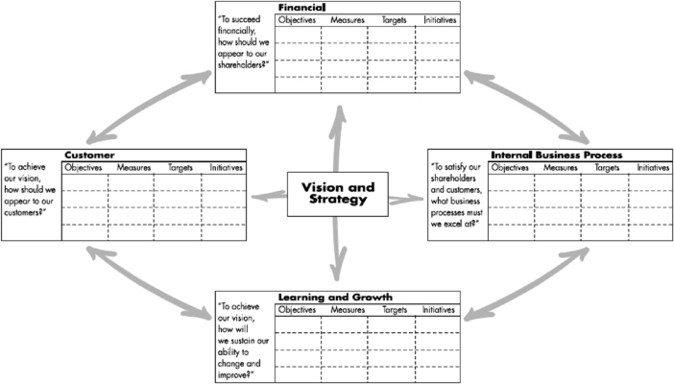
In today’s data-driven business environment, performance management is no longer about gut feeling—it’s about real-time insights, measurable outcomes, and actionable metrics. At the core of this transformation is the use of CRM scorecards, which enable organizations to track, evaluate, and improve individual and team performance across sales, marketing, and customer service.
CRM scorecards are not just tools—they’re strategic instruments that align daily actions with long-term business goals. This article will explore what CRM scorecards are, how they work, and how they enhance performance management to drive accountability, transparency, and revenue growth.
What Are CRM Scorecards?
CRM scorecards are performance measurement tools embedded within Customer Relationship Management (CRM) systems. They present a visual, metric-driven summary of activities, goals, and outcomes for individuals, teams, and departments.
Unlike static reports, scorecards offer dynamic, real-time insights into key performance indicators (KPIs) that are essential for:
- Sales productivity
- Customer service quality
- Marketing effectiveness
- Pipeline health
- Customer satisfaction
Why Use CRM Scorecards for Performance Management?
Performance management today must be:
- Data-informed
- Transparent
- Aligned with business strategy
- Scalable and adaptable
CRM scorecards meet all these needs by providing clear, trackable metrics that help managers and employees understand expectations, identify gaps, and make informed decisions.
Key Benefits:
- Accountability: Everyone knows what’s expected and how success is measured.
- Visibility: Managers can monitor performance without micromanaging.
- Motivation: Scorecards foster a results-driven culture.
- Optimization: Identify underperforming processes or bottlenecks quickly.
- Alignment: Keep all teams focused on shared goals and targets.
Core Metrics Found in CRM Scorecards
1. Sales Performance Metrics
- Leads generated
- Opportunities created
- Conversion rates
- Pipeline value
- Deals won/lost
- Revenue closed
- Average deal size
- Sales cycle duration
2. Customer Service Metrics
- Tickets resolved
- First response time
- Customer satisfaction (CSAT)
- Net Promoter Score (NPS)
- Time to resolution
- Repeat issue rate
3. Marketing Performance Metrics
- Email open/click rates
- Campaign ROI
- Form fills and lead magnet downloads
- Social media engagement
- Lead-to-customer rate
4. Activity-Based Metrics
- Calls made
- Emails sent
- Meetings booked
- Follow-ups completed
- Tasks overdue/on time
These metrics can be customized depending on your business model, team structure, and goals.
How CRM Scorecards Work in Practice
1. Define Performance Goals
Start by setting SMART goals (Specific, Measurable, Achievable, Relevant, Time-bound) for each role.
Example:
“Each sales rep must close $50,000 in new business per month with a 20% lead-to-customer conversion rate.”
2. Identify KPIs That Align with Goals
Use your CRM to map out KPIs that reflect progress toward those goals. These should be easily trackable and automatically updated.
3. Build the Scorecard Interface
Most modern CRMs offer dashboard or scorecard builders. These allow you to:
- Customize views by role (sales, support, marketing)
- Use visual indicators like red/yellow/green statuses
- Set thresholds for alerts or escalations
4. Monitor in Real Time
Scorecards update dynamically as users interact with the CRM. Managers and employees can track progress instantly and adjust strategies as needed.
5. Analyze, Coach, and Reward
Use scorecard data for:
- 1:1 coaching sessions
- Performance reviews
- Incentive programs and bonuses
- Identifying top performers and skill gaps
Best Practices for CRM Scorecard Implementation
1. Focus on Outcomes, Not Just Activities
Track meaningful metrics that indicate real progress. For example:
❌ “100 calls made”
✅ “10 qualified opportunities created”
2. Keep It Role-Specific
A customer service agent shouldn’t be judged by sales quotas. Tailor scorecards to what each role controls and contributes to.
3. Automate Where Possible
Automate data capture to eliminate manual reporting and reduce errors. CRMs can pull metrics directly from emails, calls, deal stages, and tickets.
4. Visualize Clearly
Use charts, graphs, heat maps, and color-coded indicators to make performance data easy to interpret at a glance.
5. Encourage Transparency and Collaboration
Make scorecards visible across teams to promote accountability and friendly competition. This fosters a culture of excellence and teamwork.
CRM Platforms That Offer Scorecard Capabilities
1. Salesforce
- Advanced dashboards with real-time updates
- Einstein AI insights for predictive performance
- Custom scorecard templates per user role
2. HubSpot CRM
- Visual reports with filters by rep, team, pipeline
- Custom performance metrics and quotas
- Scorecards integrated with marketing and service
3. Zoho CRM
- Gamification and performance tracking
- Daily/weekly/monthly scorecard reports
- Built-in KPI widgets and alerts
4. Microsoft Dynamics 365
- Integration with Power BI for advanced scorecards
- Goal-setting and real-time tracking features
- Role-based performance insights
5. Pipedrive
- Deal tracking metrics and activity-based goals
- Custom dashboards per user/team
- Sales performance insights via visual pipelines
Real-World Applications of CRM Scorecards
Sales Teams
- Track performance against quotas
- Identify reps struggling with follow-ups or closing
- Forecast pipeline gaps before end-of-quarter
Customer Support Teams
- Ensure SLAs are met
- Monitor agent workload and satisfaction impact
- Identify high-performing agents for recognition
Marketing Teams
- Measure campaign impact in real time
- Track lead quality and conversion outcomes
- Optimize spend by monitoring ROI per channel
Executive Leadership
- Use roll-up scorecards for department-level insights
- Align strategy with frontline performance
- Make data-driven decisions faster
How CRM Scorecards Drive Continuous Improvement
CRM scorecards are not just for monitoring—they’re for managing and improving performance. With accurate, real-time data at your fingertips, you can:
- Detect inefficiencies before they grow
- Coach teams with context-specific feedback
- Adapt goals dynamically as business evolves
- Run effective performance-based incentive programs
Conclusion: Make CRM Scorecards Central to Your Performance Culture
In a competitive marketplace, clarity, accountability, and agility define successful teams. CRM scorecards empower organizations to measure what matters, act on real-time data, and continuously improve performance across all departments.